
Hand Hygiene at Work: Washing and Antisepsis for Prevention
Hand hygiene is the most effective preventive measure against transmission of infections in the workplace. Simple washing, antiseptic washing and hydroalcoholic rub are 3 essential methods.
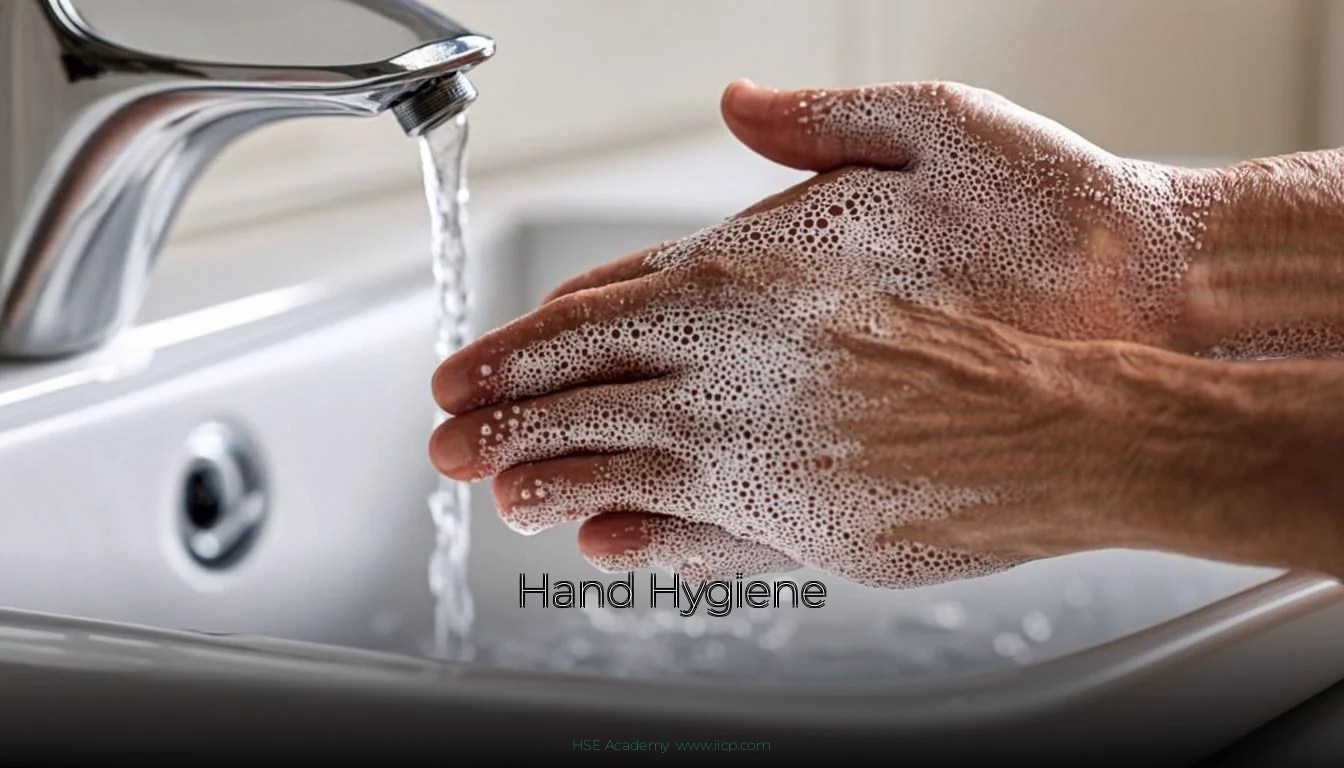
Hand Hygiene at Work: Handwashing and Antisepsis for Infection Prevention
Hand hygiene is an essential measure for reducing the transmission of infectious agents in the workplace. Handwashing with soap and water and alcohol-based hand rub are the two main methods of routine hand hygiene. Antiseptic handwashing is reserved for situations where it is indicated by the risks or applicable protocols.
Hand hygiene helps reduce the transmission of microorganisms in healthcare facilities, food-processing industries, laboratories and other working environments. Its effectiveness depends on choosing the appropriate method, performing it at the right time, using the correct technique and ensuring access to suitable facilities.
Recommendations vary according to the sector. Practices designed for healthcare settings should not automatically be treated as mandatory requirements for every business.
1. The Main Hand Hygiene Methods
Handwashing with Soap and Water
Washing with clean water and ordinary soap removes dirt, certain substances and some microorganisms from the hands.
It is particularly important when hands are visibly dirty, after using the toilet, and before preparing or eating food. It is also recommended in specific situations depending on the suspected infectious agents and the applicable procedures.
In healthcare settings, the World Health Organization (WHO) generally recommends 40–60 seconds for the complete handwashing procedure, including wetting, applying soap, rubbing all hand surfaces, rinsing and drying.
Antiseptic Handwashing
Antiseptic handwashing involves using a cleansing product containing an antimicrobial agent. Its use depends on the activity, microbiological risks and applicable protocol.
Chlorhexidine and povidone-iodine are used in certain antiseptic products, particularly in specific healthcare situations. However, they are not universal requirements for routine workplace hand hygiene.
The product must be suitable for its intended use and applied according to its instructions. Antiseptic handwashing should not be introduced routinely without justification based on the risk or relevant professional protocol.
Alcohol-Based Hand Rub
Alcohol-based hand rub (ABHR) reduces many microorganisms on the hands without requiring rinsing. In healthcare settings, it is preferred in many situations when hands are not visibly dirty.
In community and non-healthcare workplaces, a product containing at least 60% alcohol is an effective alternative to handwashing when hands are not visibly dirty. However, the product’s intended use and the procedures specific to the activity must be respected.
In healthcare settings, hand rubbing generally takes 20–30 seconds. A sufficient amount of product must cover all hand surfaces, and rubbing should continue until the hands are completely dry.
Alcohol-based hand rub does not always replace handwashing. When hands are visibly dirty, washing with soap and water is necessary. The choice also depends on the working environment and the biological agents that may be present.
2. When Should Hand Hygiene Be Performed?
The WHO’s Five Moments for Hand Hygiene in Healthcare
The WHO defines five key moments for hand hygiene during patient care:
- Before touching a patient.
- Before a clean or aseptic procedure.
- After a risk of exposure to body fluids.
- After touching a patient.
- After touching the patient’s surroundings.
These five moments are specifically designed for healthcare settings. They should not be applied unchanged to every professional sector.
Common Situations in the Workplace
Workers should perform hand hygiene in particular:
- Before preparing food and before eating.
- After using the toilet or handling faecal matter.
- After blowing their nose, coughing or sneezing when their hands may have become contaminated.
- After handling waste or potentially contaminated materials.
- After a task involving exposure to biological agents, in accordance with applicable procedures.
- Whenever their hands are visibly dirty.
- After removing gloves, whenever hand hygiene is indicated.
Instructions should be adapted to the risk assessment, the tasks performed and the hygiene requirements specific to the sector.
3. How to Choose the Right Products
- Mild ordinary soap: for routine handwashing, particularly when hands are visibly dirty.
- Antiseptic soap: when its use is justified by the risk, activity or applicable professional protocol.
- Alcohol-based hand rub: choose a product with documented antimicrobial effectiveness that is suitable for its intended use. Follow the manufacturer’s instructions regarding the quantity and application time.
Chlorhexidine at 4% should not be presented as a universal recommendation. The choice of antiseptic depends on the professional context and the product’s intended indications.
Products must remain accessible and be used according to their safety instructions. Their availability does not replace training, the necessary handwashing facilities or other preventive measures.
4. Workplace Facilities and Organisation
Appropriate workplace organisation makes it easier to follow hand hygiene practices consistently.
- Accessible sinks: provide easily accessible handwashing facilities with clean water and soap.
- Alcohol-based hand rub dispensers: position them where appropriate, based on tasks, movement patterns and risk assessments.
- Hygienic drying: provide a suitable drying method, such as single-use paper towels where shared towels could create a contamination risk.
- Waste management: provide suitable containers for used paper towels and other hygiene-related waste.
- Maintenance and supplies: ensure the availability of water, soap, appropriate products and consumables, as well as the cleaning and maintenance of equipment.
Touch-free devices may be useful depending on the activity and the design of the facilities, but they are not a universal requirement.
5. Training and Good Practices
Training should be adapted to occupational risks, the tasks performed and the procedures applicable to the sector. Where appropriate, it can be included in the induction of new workers and repeated according to needs, observation results, procedural changes and applicable requirements.
Annual training may be included in a company’s internal programme or a sector-specific protocol. However, it should not be presented as a universal WHO requirement for every business.
Alcohol-Based Hand Rub Technique in Healthcare Settings
The technique taught by the WHO covers the main surfaces of the hands:
- Rub the palms together.
- Rub the back of each hand.
- Rub between the fingers.
- Rub the backs of the fingers.
- Rub each thumb.
- Rub the fingertips and finger pads, including the areas around the nails.
Use enough product to cover all surfaces and continue rubbing until the hands are completely dry.
For handwashing with soap and water, wet the hands, apply soap, rub all surfaces, rinse thoroughly and dry the hands hygienically.
Wearing gloves does not replace hand hygiene. Hand hygiene remains necessary whenever indicated, particularly after gloves are removed.
6. Regulatory Framework in Morocco
The Moroccan Labour Code, particularly Article 281, requires employers to maintain workplace cleanliness and ensure the hygiene and sanitary conditions necessary to protect employees’ health. Specific requirements may also depend on implementing regulations and the nature of the activity.
These general provisions do not mean that every company is legally required to use a particular antiseptic, a specific alcohol concentration or an annual training schedule. The measures to be implemented should be determined according to occupational risks, applicable sector-specific rules and relevant internal procedures.
Conclusion
Hand hygiene is an important component of workplace infection prevention. Its effectiveness depends on choosing methods suited to the risks, applying the correct technique, providing accessible facilities, selecting appropriate products and delivering practical training.
Handwashing with soap and water, alcohol-based hand rub and, when justified, antiseptic handwashing are complementary methods. Their use must take into account the professional setting and applicable recommendations.
Sources and References
- World Health Organization (WHO) — Guidelines on Hand Hygiene in Community Settings (2025): https://www.who.int/publications/i/item/9789240116559
- International Labour Organization (ILO), NATLEX database — Moroccan Labour Code, Law No. 65-99: https://natlex.ilo.org/dyn/natlex2/r/natlex/fe/details?p3_isn=67319
- Centers for Disease Control and Prevention (CDC) — Clinical Safety: Hand Hygiene for Healthcare Workers: https://www.cdc.gov/clean-hands/hcp/clinical-safety/index.html