
Indoor Air Quality at Work: Ventilation and Treatment
Indoor air quality in the workplace directly impacts workers' health. Ventilation, source extraction and air treatment are essential to prevent respiratory diseases.
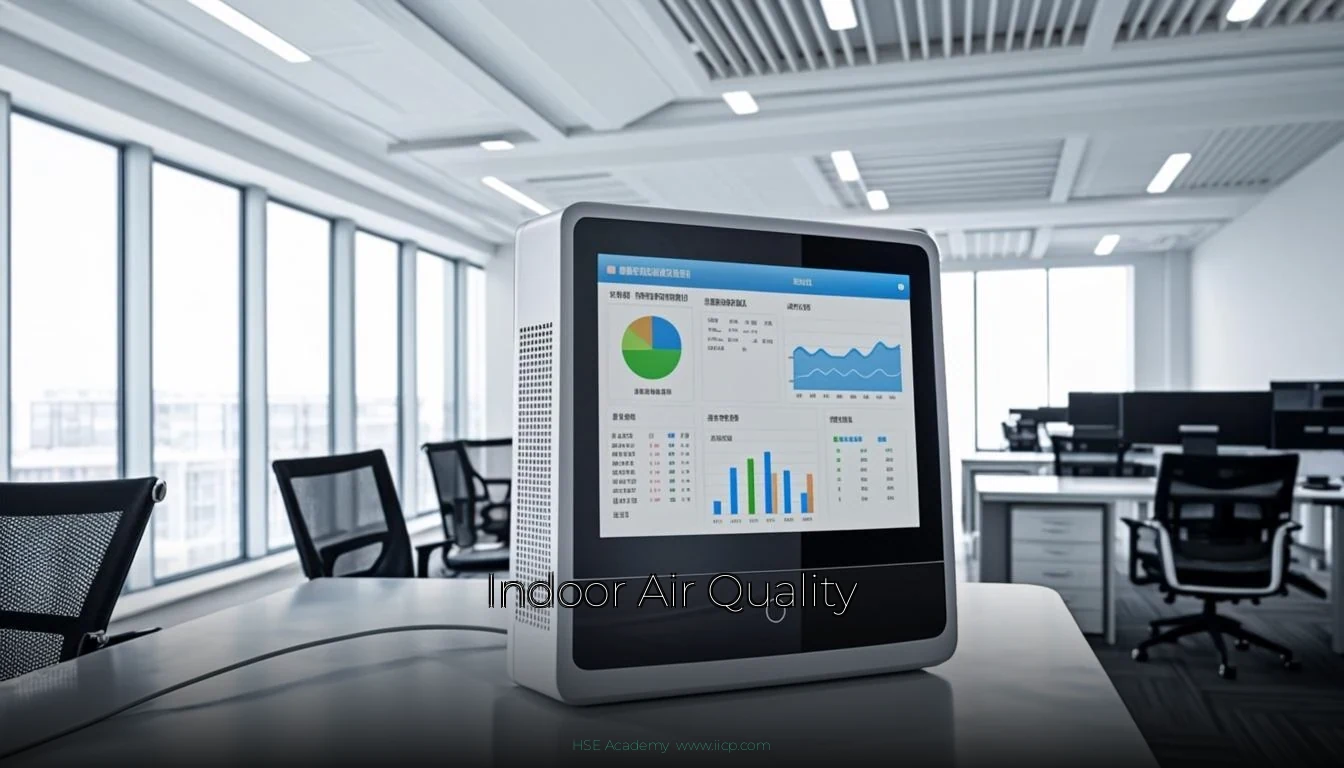
Air Quality at Work: Ventilation and Air Purification
Air quality in the workplace directly affects workers' health and comfort. Appropriate ventilation, source extraction and regular maintenance of ventilation systems help prevent hazardous exposure and occupational diseases.
Workplace air quality is an important occupational health and safety issue. Contaminated or inadequately renewed air can contribute to irritation, allergies and respiratory disorders. Depending on the pollutants and exposure levels, it may also contribute to certain chronic diseases and occupational cancers.
Prevention relies on identifying pollution sources, assessing exposure and implementing appropriate control measures, including ventilation, source extraction, suitable air filtration and equipment maintenance.
1. Main indoor air pollutants
Workplace air may contain different types of contaminants depending on the activity, the products used and the characteristics of the building.
- Volatile organic compounds (VOCs): Certain solvents, paints, adhesives and cleaning products release vapours that may irritate the respiratory tract or present other health risks.
- Carbon dioxide (CO₂): Produced mainly by human respiration, CO₂ can help assess air renewal in occupied spaces. However, it cannot independently establish the presence or absence of all air pollutants.
- Dust and fibres: Crystalline silica dust, asbestos fibres and certain mineral fibres can pose significant health risks.
- Biological contaminants: Moulds, certain bacteria and other biological agents can contaminate air or surfaces. The risk depends on the agent, the exposure route and the working conditions.
- Gases and fumes: Carbon monoxide, welding fumes and ozone, particularly when generated by certain industrial processes, can present specific hazards.
The presence of a pollutant does not automatically mean that hazardous exposure exists. Risk depends on the substance, its concentration, exposure duration and the susceptibility of the people concerned.
2. Main air purification and control methods
Prevention should prioritise measures that eliminate or reduce exposure at its source before relying solely on general air dilution or personal protective equipment.
2.1. General ventilation
General ventilation renews the air in a workplace by supplying fresh air and removing indoor air.
It helps limit the accumulation of diffuse pollutants, excess moisture and CO₂ in occupied spaces.
Its effectiveness depends on the airflow rate, air distribution, room occupancy and pollution sources. General ventilation may not adequately control concentrated emissions or particularly hazardous pollutants.
2.2. Local exhaust ventilation
Local exhaust ventilation captures pollutants close to their emission point before they spread into the air breathed by workers.
Equipment may include:
- Exhaust hoods.
- Articulated extraction arms.
- Downdraft or extraction tables.
- Extraction systems integrated into machines or industrial processes.
This approach is particularly important for certain dusts, fumes, vapours and toxic emissions.
For effective control, the system must be suitable for the process, correctly positioned and properly maintained. Extraction rates and operating conditions should be determined according to the pollutant characteristics and applicable requirements.
2.3. Air filtration and treatment
Air treatment can complement ventilation and source extraction, provided that the selected technology is suitable for the contaminant.
Possible solutions include:
- Particle filtration: Filters designed for dust and, depending on their classification and design, fine particles.
- High-efficiency filtration: HEPA filters for applications requiring