ISO 14001:2015 — The Environmental Management System
ISO 14001:2015 specifies the requirements for an environmental management system (EMS). It helps organizations manage environmental impacts, comply with legal obligations, and improve performance.
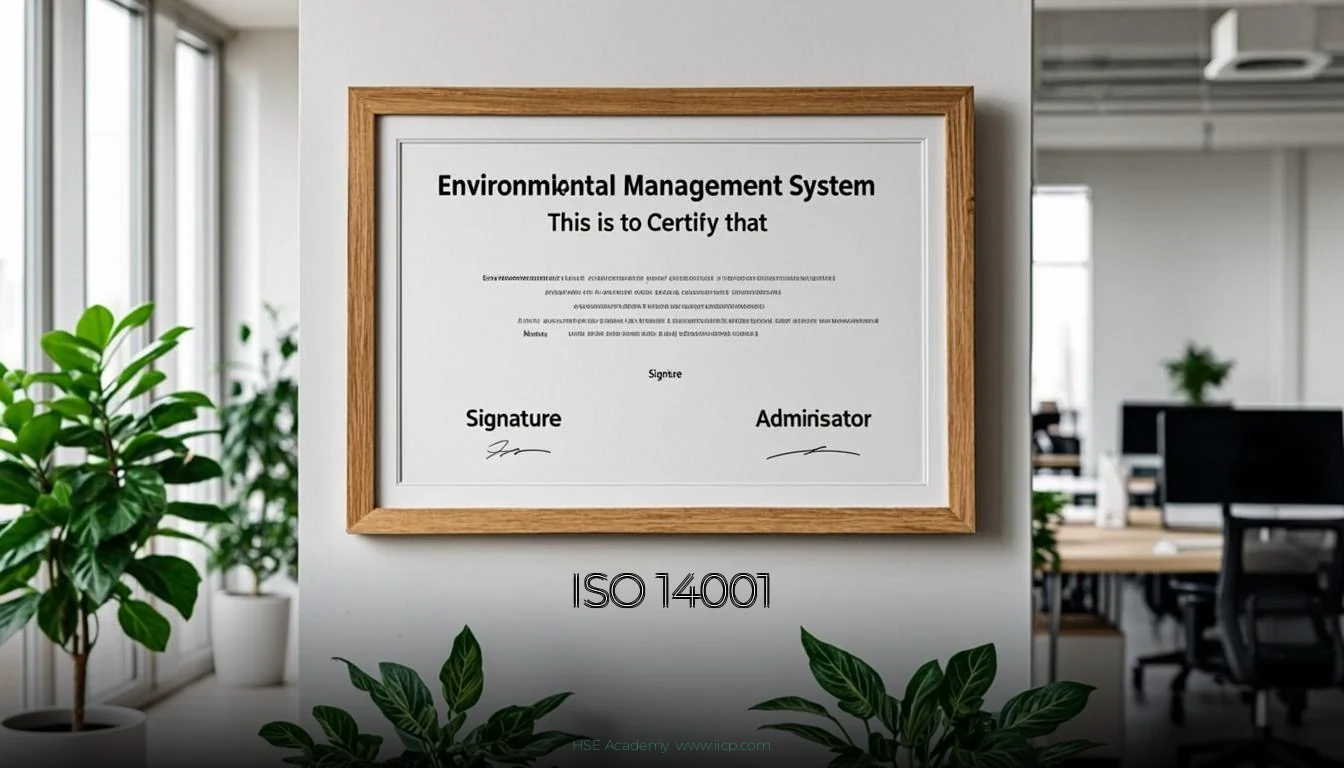
ISO 14001:2015 — The Environmental Management System
ISO 14001:2015 is the international standard that specifies the requirements for an environmental management system (EMS). It helps organizations manage their environmental impacts, comply with legal obligations, and improve their performance.
Introduction
ISO 14001:2015 is the international standard that specifies the requirements for an environmental management system (EMS). It provides a framework that enables an organization to establish, implement, maintain, and continually improve its EMS.
Its objective is to help organizations manage their environmental impacts, comply with applicable legal obligations, and continuously improve their environmental performance.
Definition of the EMS according to ISO 14001
According to the standard itself, an environmental management system is the part of an organization's management system used to:
- Manage its environmental aspects (activities, products, or services that can interact with the environment)
- Fulfill its compliance obligations (laws, regulations, voluntary commitments)
- Address environmental risks and opportunities related to environmental threats
The EMS does not prescribe a level of environmental performance to be achieved—each organization sets its own objectives based on its context.
Common HLS Structure
Like ISO 9001:2015, ISO 22000:2018, and ISO 45001:2018, ISO 14001:2015 follows the High Level Structure (HLS, or Annex SL) with 10 chapters:
- Scope
- Normative references
- Terms and definitions
- Context of the organization
- Leadership
- Planning
- Support
- Operation
- Performance evaluation
- Improvement
This common structure facilitates the integration of management systems (quality + environment + health and safety) within an Integrated Management System (IMS).
Key Requirements
1. Context of the organization
The organization must understand:
- Its internal and external environmental issues (climate, legislation, stakeholders)
- The needs and expectations of interested parties (authorities, customers, local communities, NGOs)
- The scope of the EMS
2. Leadership and commitment
Top management must demonstrate its commitment by:
- Establishing and communicating an environmental policy
- Ensuring the integration of the EMS into business processes
- Allocating the necessary resources
- Promoting an environmental culture within the organization
3. Planning
The organization must:
- Identify its environmental aspects and associated impacts
- Identify applicable compliance obligations
- Define measurable environmental objectives
- Establish an action plan to achieve them
4. Risks and opportunities
ISO 14001:2015 introduces a risk-based approach: the organization must identify risks and opportunities related to its environmental aspects and compliance obligations, and plan actions to address them.
5. PDCA Cycle
Like all ISO management systems, ISO 14001 follows the Plan-Do-Check-Act cycle:
- Plan: Plan objectives and processes
- Do: Implement
- Check: Monitor and measure
- Act: Act to improve
Benefits of certification
For an organization, ISO 14001 certification brings:
- Reduced environmental impact (waste, emissions, consumption)
- Enhanced regulatory compliance
- Cost reduction (energy, waste, insurance)
- Improved image with stakeholders
- Competitive advantage in international markets
- Better environmental risk management
Application in Morocco
In Morocco, ISO 14001 is a voluntary standard but is increasingly adopted, particularly in:
- The industrial sectors (chemicals, cement, mining)
- The agro-food sector (HACCP combined with ISO 14001)
- The mining sector (OCP, Managem requirements)
- Wind and solar parks (driven by international funders)
IMANOR (Moroccan Institute for Standardization) disseminates the standard in Morocco. The national environmental policy, particularly through the PNEE (National Plan for the Industrial Environment), encourages the adoption of EMS.
Conclusion
ISO 14001:2015 is the international reference for environmental management. Combined with ISO 9001 (quality) and ISO 45001 (health and safety), it enables the building of a coherent and effective integrated QHSE management system. For Moroccan organizations, it is both a tool for compliance and a strategic lever for differentiation.
Sources et références officielles
-
Code du travail marocain (Loi n° 65-99), Titre IV — articles 281 et suivants (principes généraux de prévention applicables au management environnemental industriel) ILO NATLEX : https://natlex.ilo.org/dyn/natlex2/r/natlex/fe/details?p3_isn=67319
-
ISO 14001:2015 — Environmental management systems — ISO https://www.iso.org/standard/60857.html
-
ISO 14001 explained — Article explicatif officiel de l'ISO https://www.iso.org/insights/iso-14001-explained