
Mental Health of Young Workers and Interns: Transition to Work
Entering working life exposes young people to increased psychosocial risks: stress, overload, lack of support, harassment. Prevention must target onboarding, supervision and training.
Expert QHSE (Quality, Health, Safety, Environment) articles by IICP HSE Academy. Sources: OSHA, INRS, ISO, IMANOR.

Entering working life exposes young people to increased psychosocial risks: stress, overload, lack of support, harassment. Prevention must target onboarding, supervision and training.

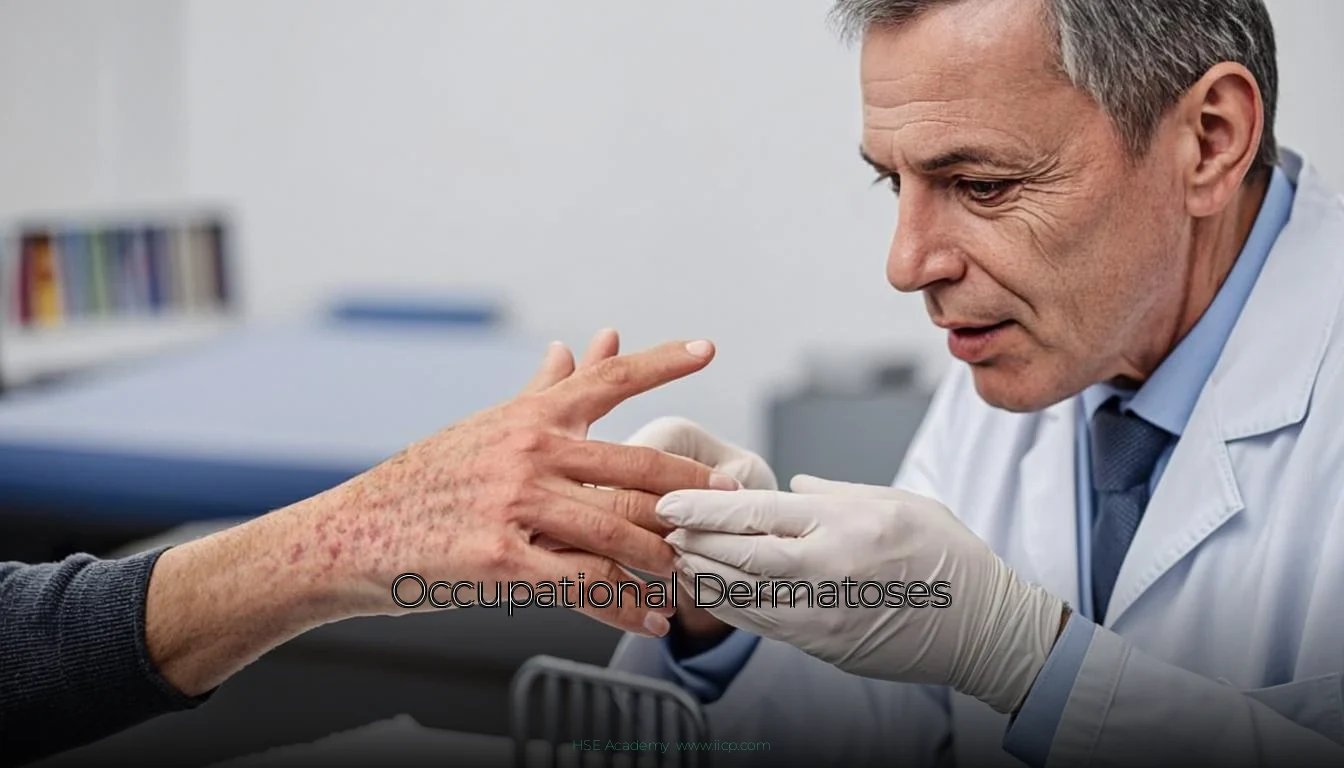
Occupational dermatoses (contact eczema, irritant dermatitis) are among the most frequent occupational diseases. This article presents causes, PPE and prevention.

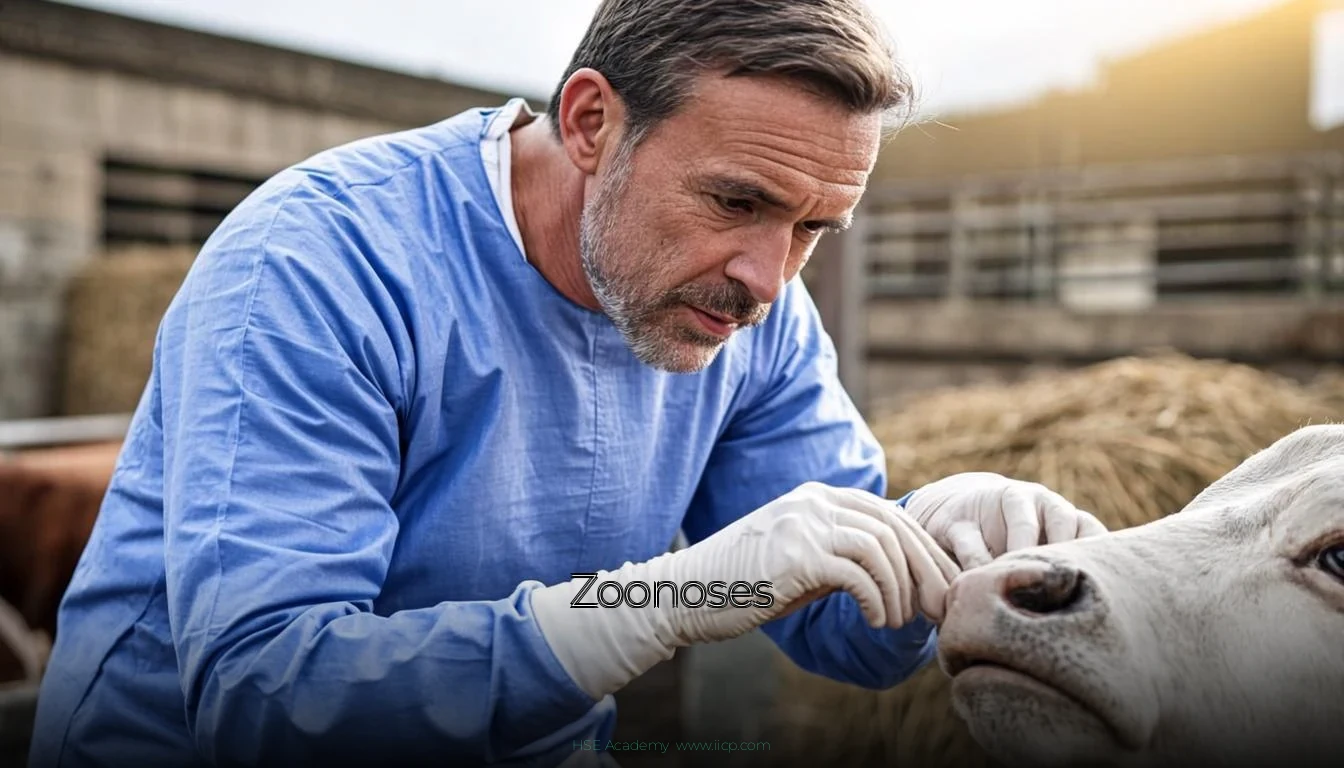
Zoonoses are diseases transmitted from animals to humans. Exposed workers (livestock, abattoirs, veterinarians, laboratories) must implement strict preventive measures.

Exposure to vibrations (pneumatic tools, machinery) causes vascular (Raynaud's syndrome), neurological and musculoskeletal disorders. Regulations set exposure thresholds and require prevention.

Night work disrupts the circadian rhythm and affects health: sleep disorders, fatigue, cardiovascular risks. This article covers effects, obligations and prevention measures.

Inadequate workplace lighting causes visual fatigue, headaches and errors. Lux levels vary by task. This article covers thresholds, lighting types and prevention measures.

Occupational diseases are conditions contracted due to professional activity. They are listed in tables that facilitate their recognition and compensation by social security.

Workplace stress and psychosocial risks (PSR) affect workers' mental and physical health. Burnout, harassment, excessive load: this article presents prevention per the INRS approach and WHO guidelines.

Workplace fatigue is a major accident risk factor. Shift work, atypical hours, insufficient sleep: this article presents the risks and prevention measures.