
Road Safety at Work: Preventing Risks of Business Travel
Road accidents during business travel represent the leading cause of fatal occupational accidents. This article presents employer obligations and the travel plan.
Expert QHSE (Quality, Health, Safety, Environment) articles by IICP HSE Academy. Sources: OSHA, INRS, ISO, IMANOR.

Road accidents during business travel represent the leading cause of fatal occupational accidents. This article presents employer obligations and the travel plan.

Working at height (scaffolds, roofs, platforms) is one of the leading causes of fatal accidents in Morocco. This article presents legal obligations, PPE and collective prevention measures.

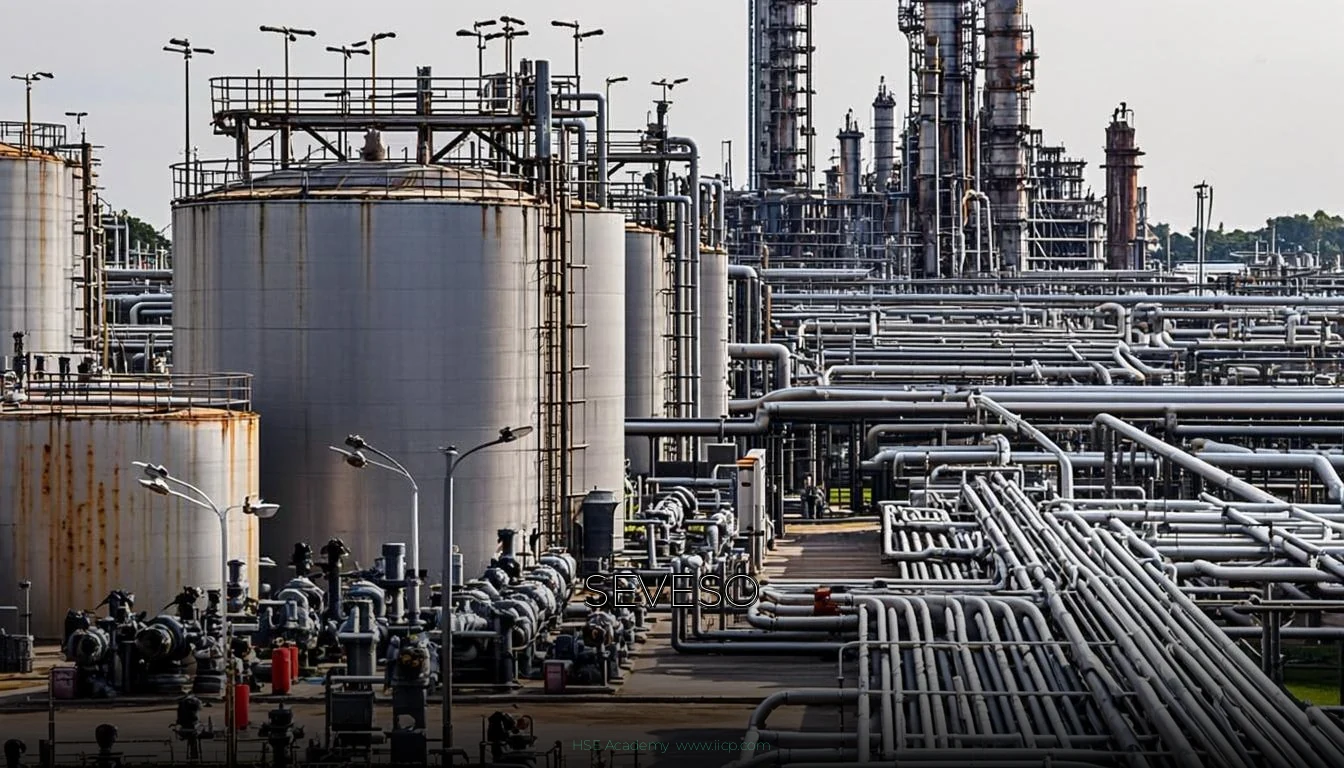
The SEVESO directive governs storage of hazardous substances in large quantities. SEVESO facilities must implement a Safety Management System (SMS) and an Internal Emergency Plan (IEP).

Welding generates specific risks: toxic fumes, UV/IR radiation, burns, noise and electromagnetic fields. This article covers prevention measures and welding PPE.

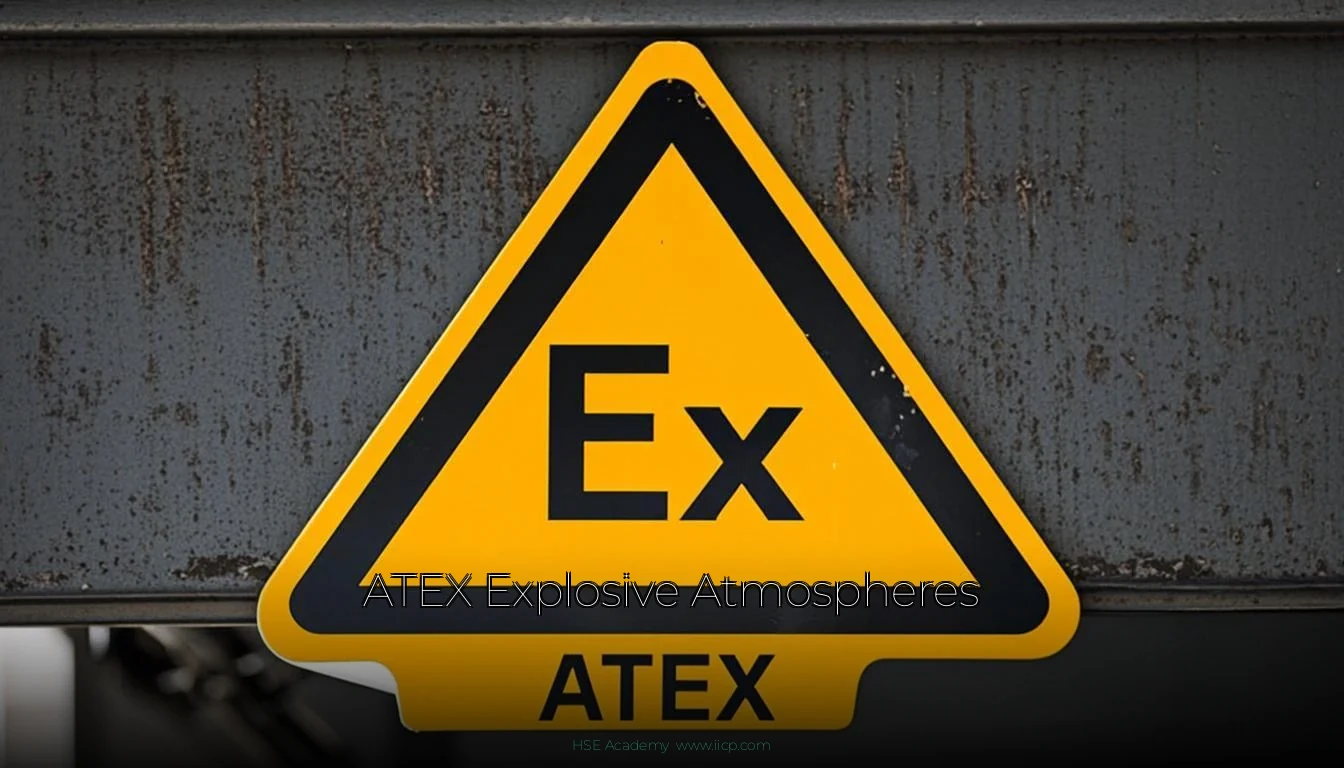
Explosive atmospheres (ATEX) form when flammable gases, vapors or dust mix with air. ATEX regulations require strict prevention measures in risk zones.

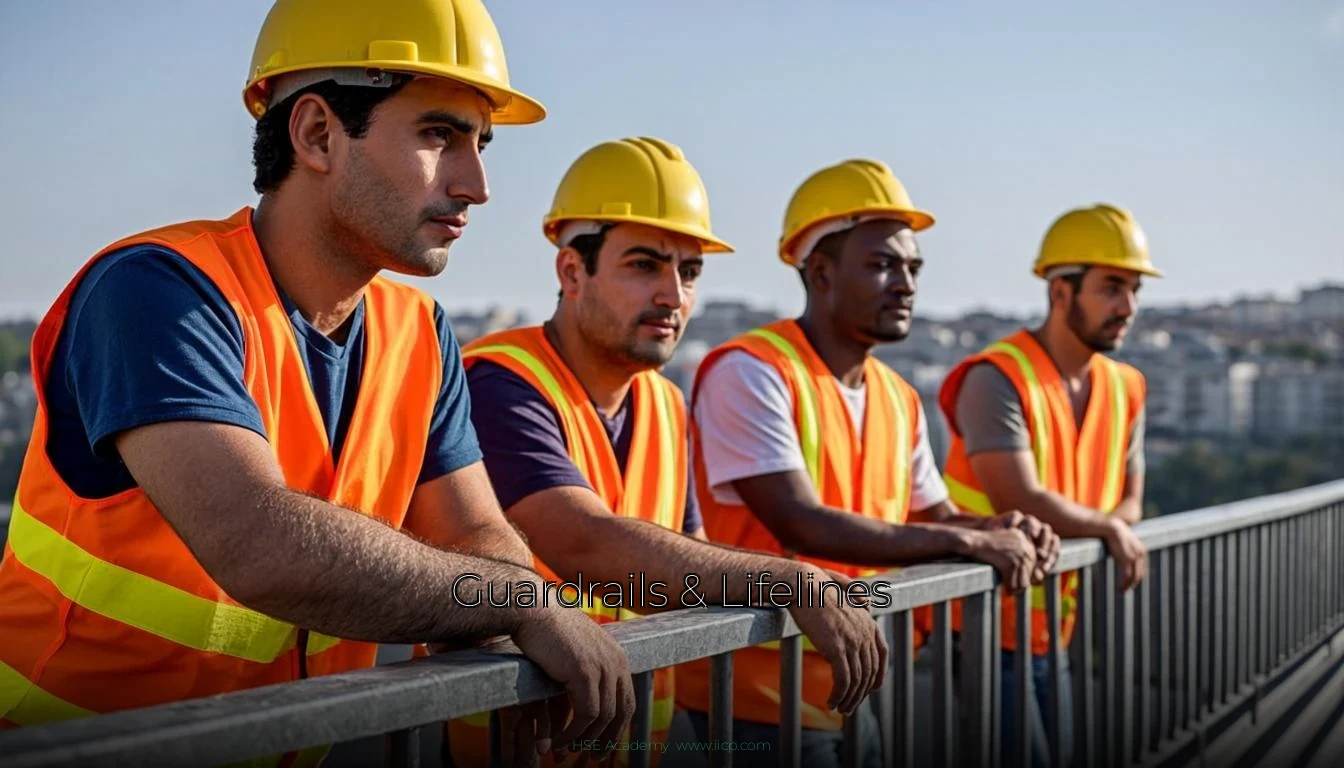
Collective fall protection (guardrails, lifelines, nets) must always take priority over personal protection (harnesses). This article covers standards, installation and employer obligations.

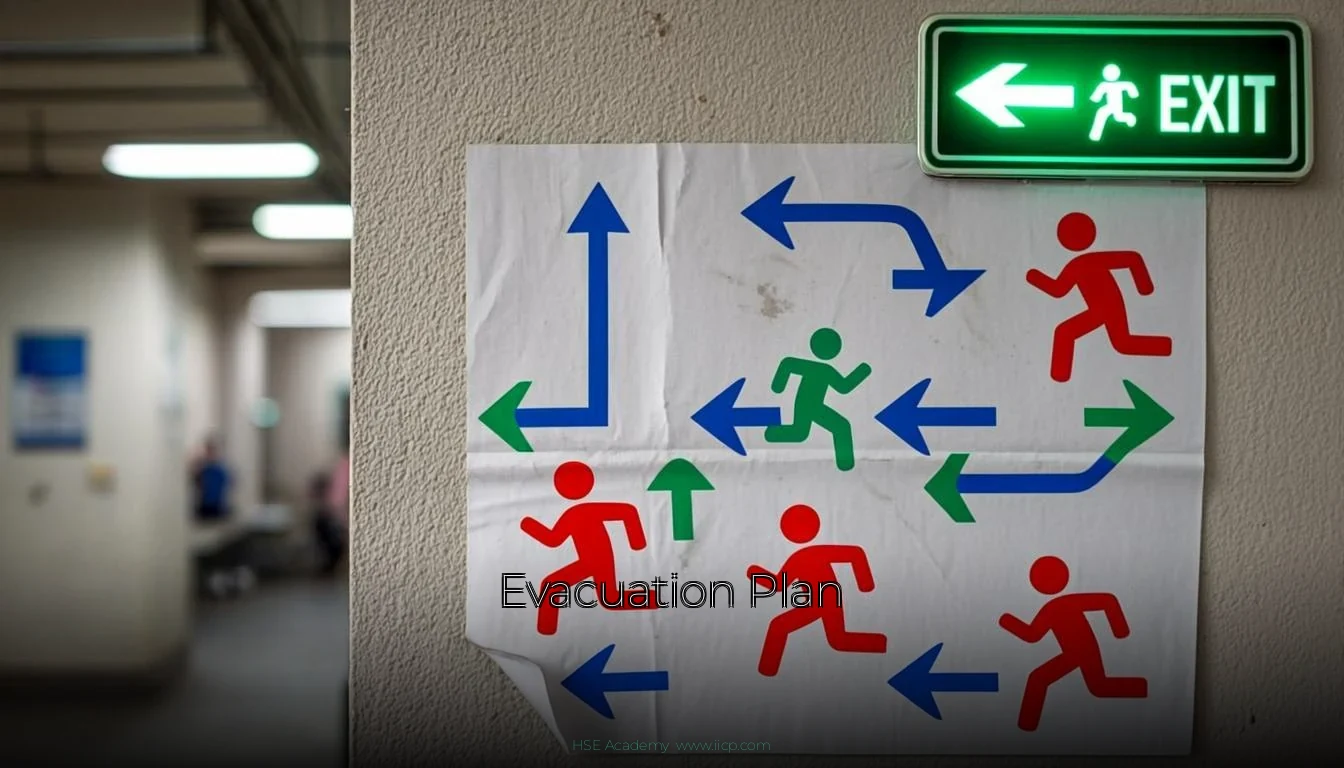
The evacuation plan is a mandatory document that defines procedures for securing people in case of fire or emergency. This article presents its development, content and mandatory drills.

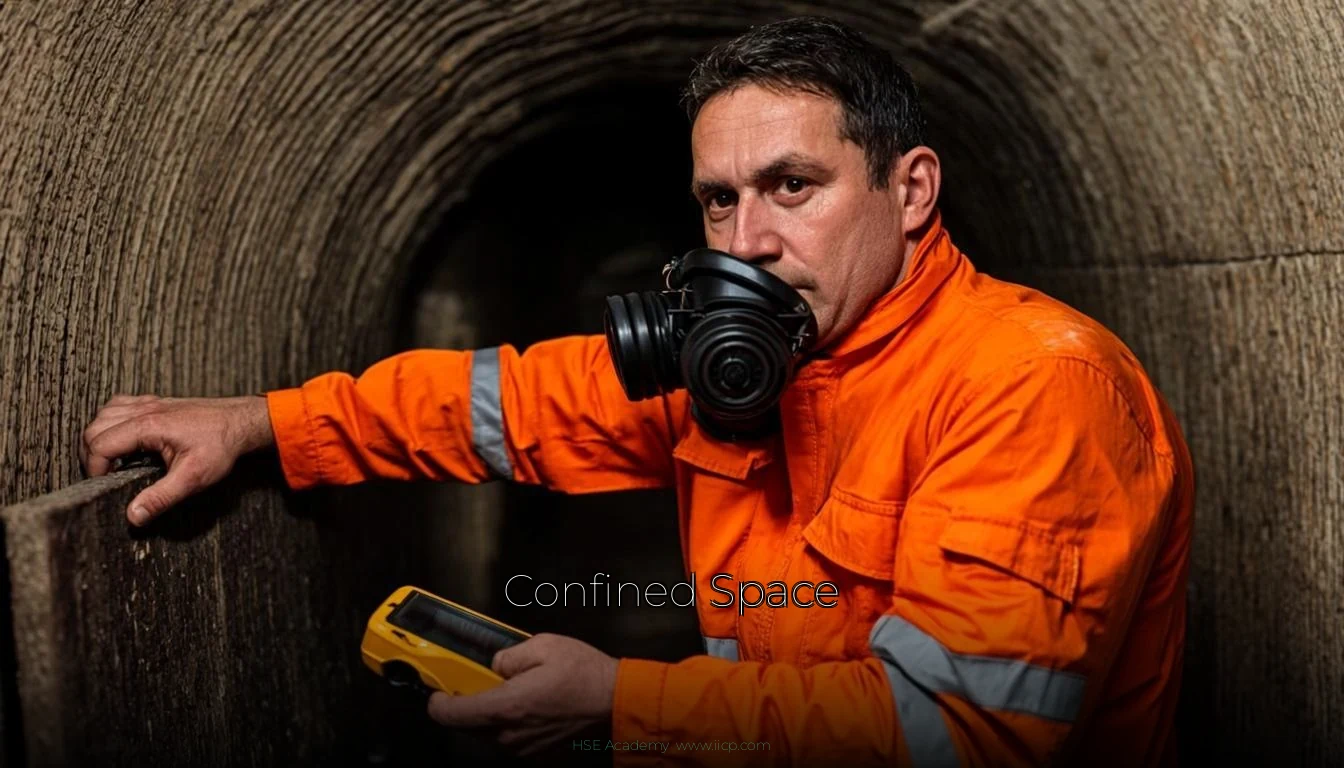
Confined spaces (pits, tanks, sewers, silos) present specific risks: deficient atmosphere, suffocation, drowning. Regulations require a work permit and strict prevention measures.

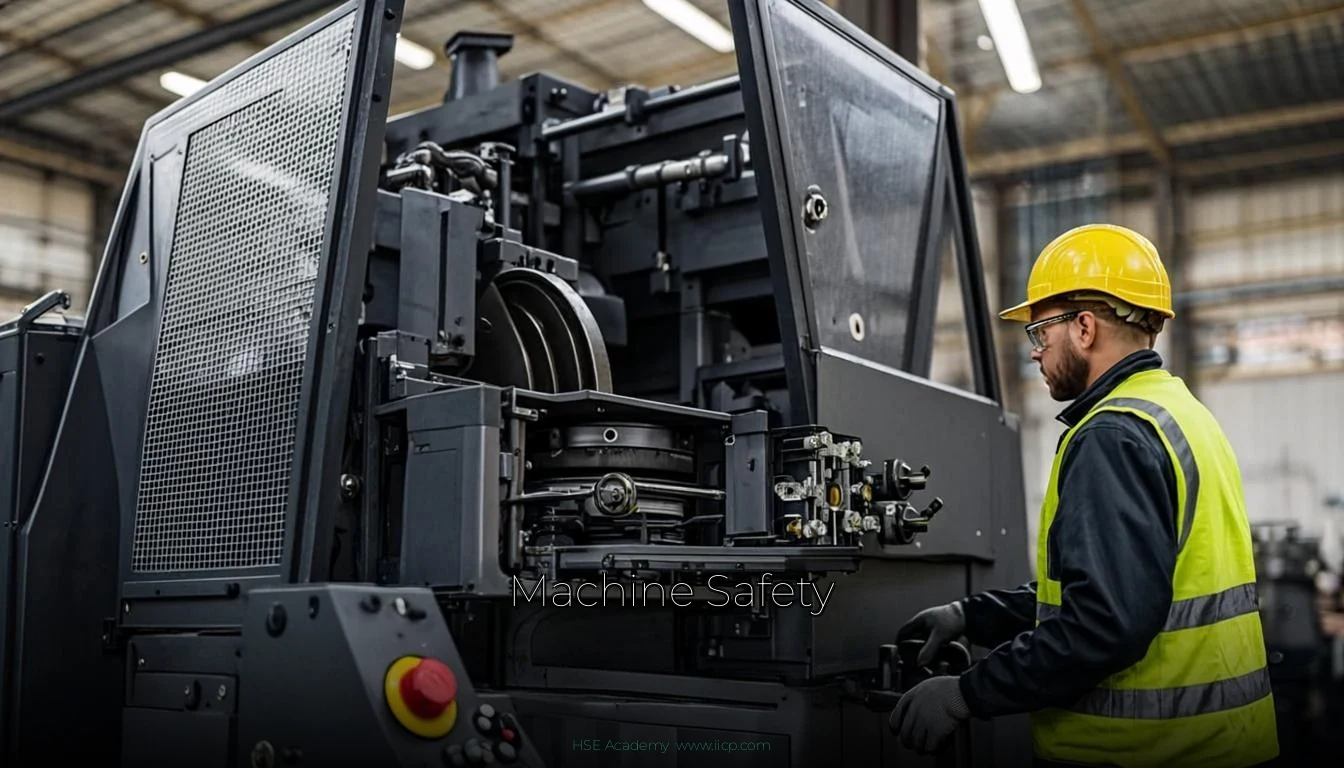
Machine safety relies on intrinsic prevention, guards, and lockout (LOTO — Lockout/Tagout). This article presents principles and machine safety standards.