Lone Working: Safety of Lone Workers
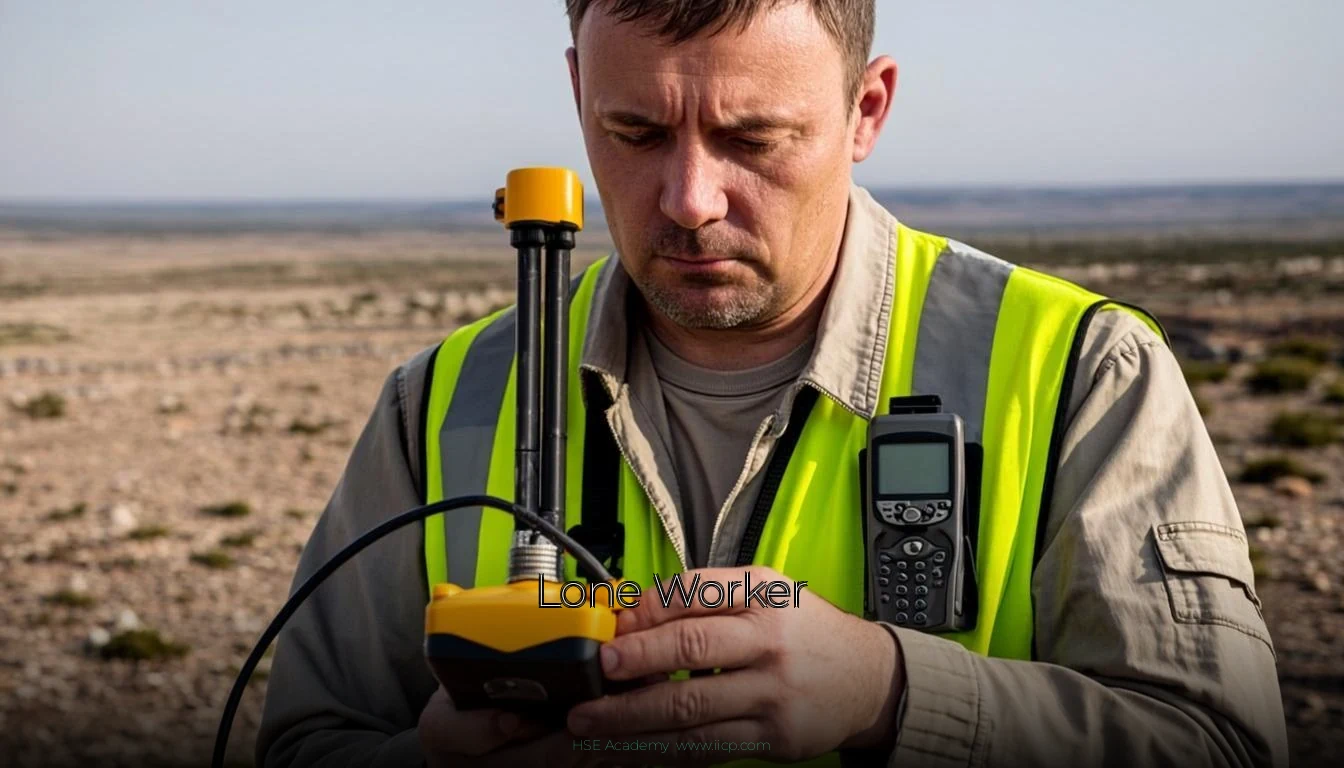
Lone working concerns workers who perform their activity out of visual or vocal reach of a third party. This article presents risks, safety devices (DATI) and regulatory obligations.
Expert QHSE (Quality, Health, Safety, Environment) articles by IICP HSE Academy. Sources: OSHA, INRS, ISO, IMANOR.

Lone working concerns workers who perform their activity out of visual or vocal reach of a third party. This article presents risks, safety devices (DATI) and regulatory obligations.

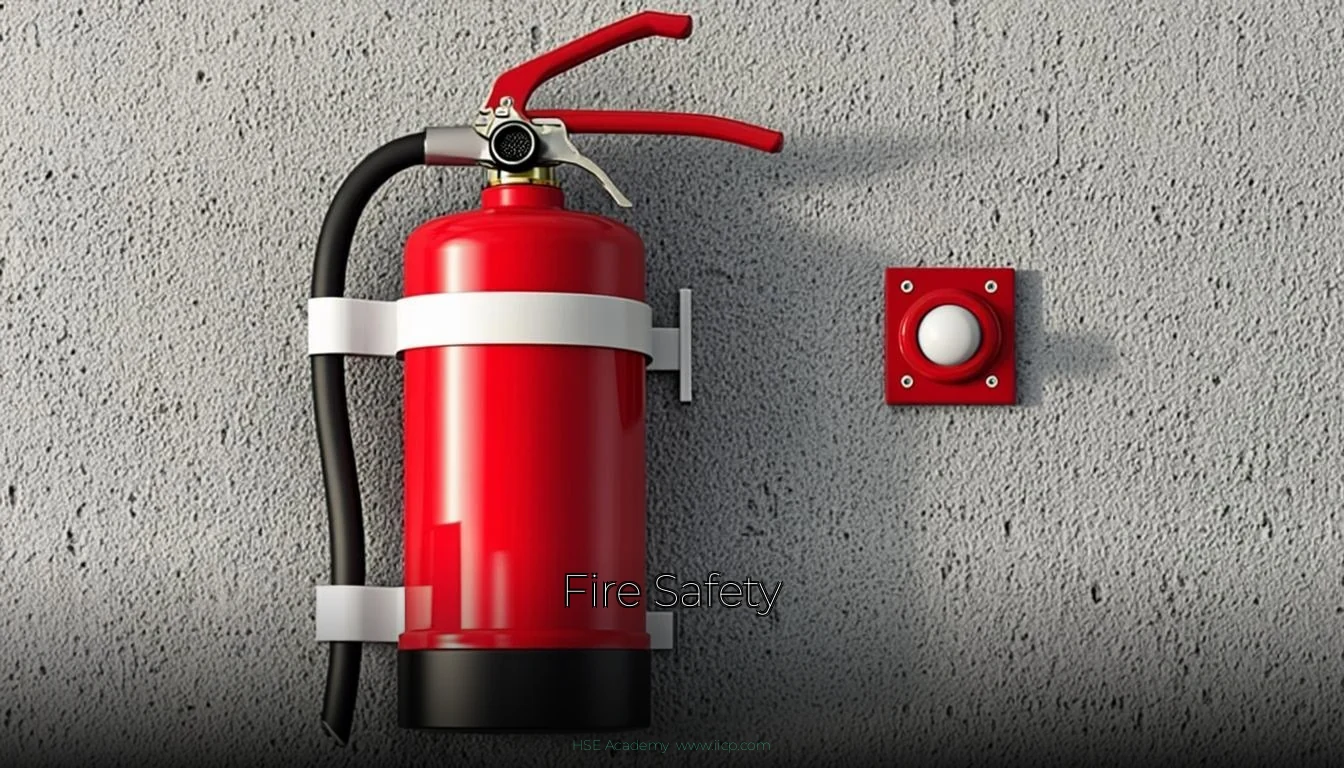
Workplace fire safety relies on prevention, detection, extinguishing and evacuation. This article presents regulatory obligations, types of extinguishers and evacuation drills.

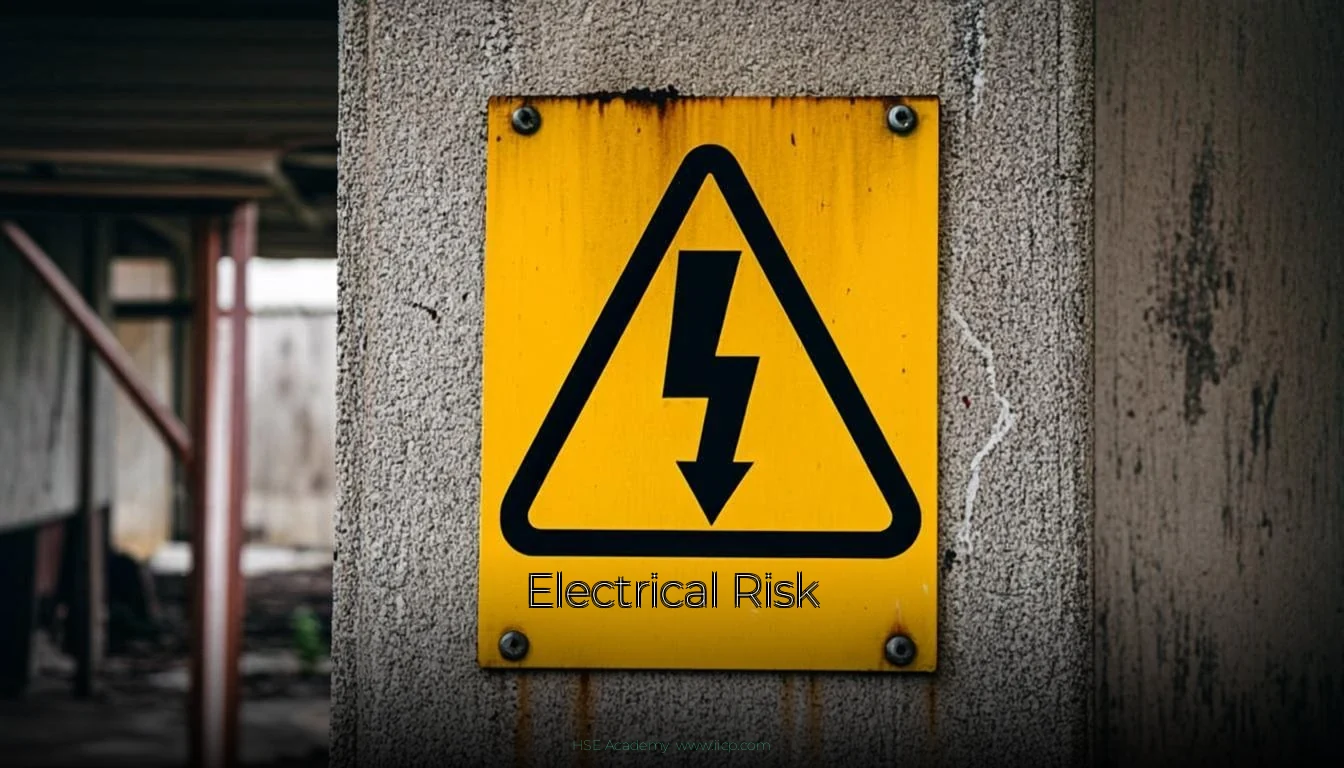
Electrical risk is one of the most serious hazards in the workplace. Electrocution, electric shock, burns: this article presents prevention measures, NFC 15-100 standards and employer obligations.

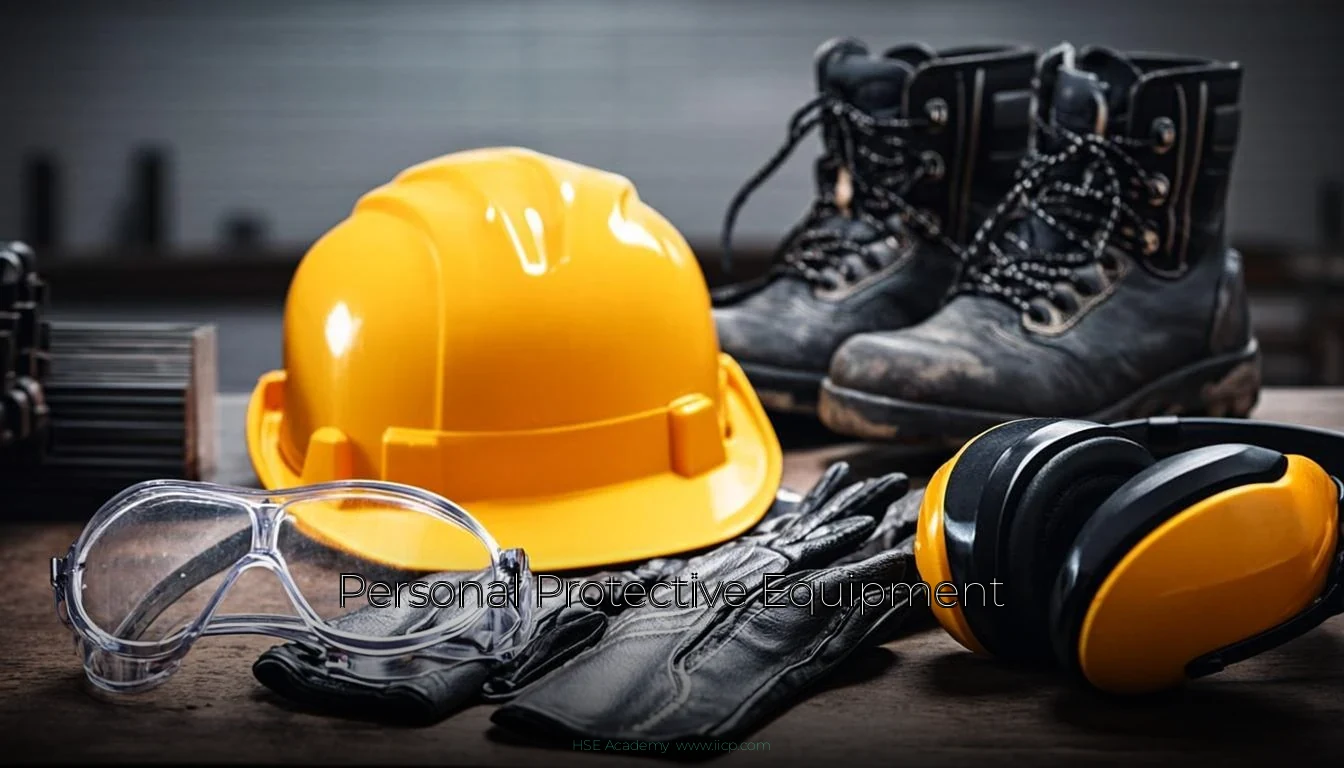
PPE (Personal Protective Equipment) is the last line of defense against occupational risks. Helmets, gloves, shoes, harnesses, masks: complete guide to categories, standards and obligations.

OSHA 29 CFR 1910.1200 (Hazard Communication) requires employers to communicate chemical product hazards. Aligned with UN GHS, it uses 9 standardized pictograms and 16-section Safety Data Sheets (SDS).

OSHA requires fall protection from 1.8 m (6 feet) in construction. This article details 29 CFR 1926.501 and 1926.502 requirements applicable to work at height.

INRS (National Institute for Research and Safety, France) publishes internationally recognized prevention solution sheets. Overview of the resources available on work at height.