
Food Hygiene in Catering: HACCP in Practice
Catering (canteen, company restaurant) must comply with food hygiene rules and apply the HACCP method. This article presents best practices, the cold chain and sanitary controls.
Expert QHSE (Quality, Health, Safety, Environment) articles by IICP HSE Academy. Sources: OSHA, INRS, ISO, IMANOR.

Catering (canteen, company restaurant) must comply with food hygiene rules and apply the HACCP method. This article presents best practices, the cold chain and sanitary controls.

Document control is a key element of QHSE management systems per ISO 9001, 14001 and 45001. This article presents documentary management requirements, document types and best practices.

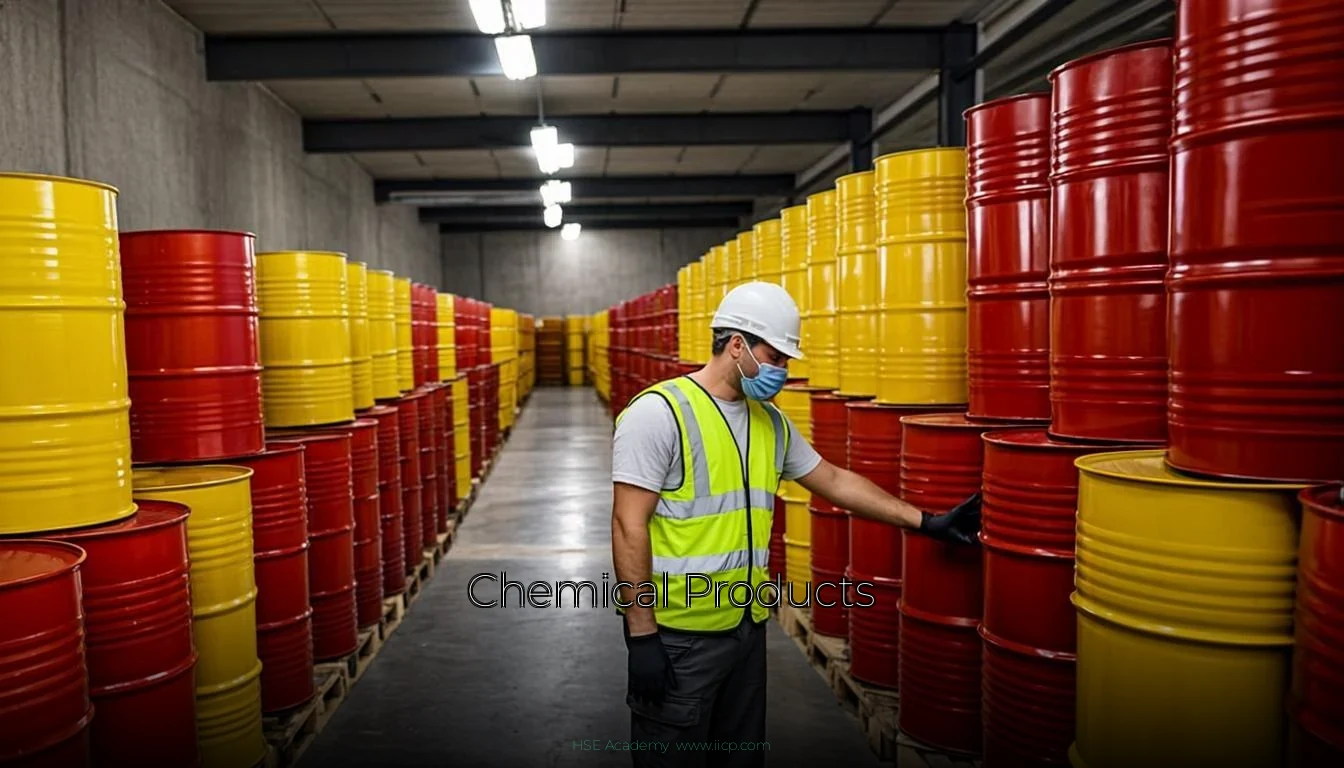
Chemical management in companies includes secure storage, GHS/CLP labeling, safety data sheets (SDS) and worker training. This article presents regulatory obligations.

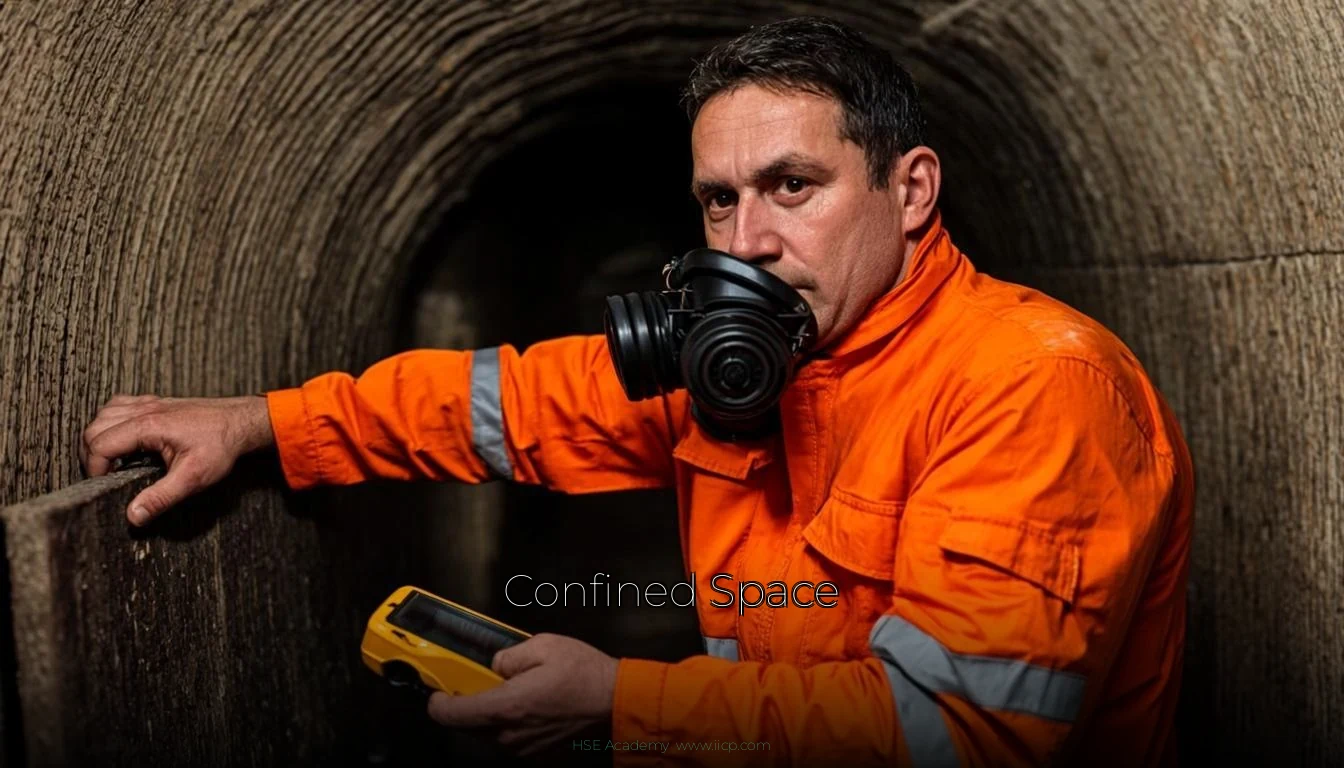
Confined spaces (pits, tanks, sewers, silos) present specific risks: deficient atmosphere, suffocation, drowning. Regulations require a work permit and strict prevention measures.

The Moroccan Labor Code (Law 65.99) sets legal working time, mandatory rest obligations, annual leave and overtime. This article details the main regulatory provisions.

Workplace stress and psychosocial risks (PSR) affect workers' mental and physical health. Burnout, harassment, excessive load: this article presents prevention per the INRS approach and WHO guidelines.

The water footprint measures the volume of fresh water consumed and polluted by an organization. A key indicator of QHSE environmental management, it complements the carbon footprint for a comprehensive ecological impact approach.

Workplace fatigue is a major accident risk factor. Shift work, atypical hours, insufficient sleep: this article presents the risks and prevention measures.

The management review is the key step of the PDCA cycle in QHSE management. It allows management to evaluate the system, make decisions and plan improvements per ISO 9001, 14001 and 45001.