Indoor Air Quality at Work: Ventilation and Treatment
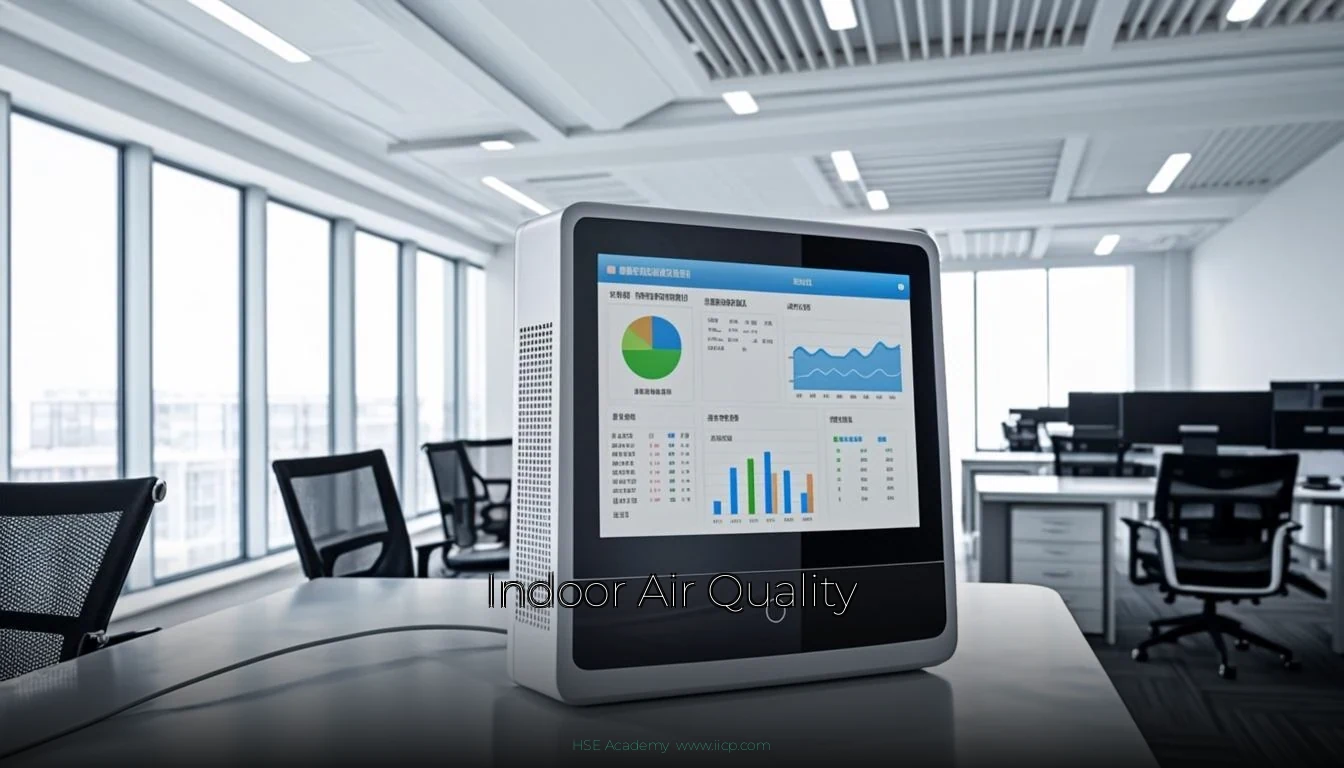
Indoor air quality in the workplace directly impacts workers' health. Ventilation, source extraction and air treatment are essential to prevent respiratory diseases.
Expert QHSE (Quality, Health, Safety, Environment) articles by IICP HSE Academy. Sources: OSHA, INRS, ISO, IMANOR.

Indoor air quality in the workplace directly impacts workers' health. Ventilation, source extraction and air treatment are essential to prevent respiratory diseases.

Water pollution by industrial activities is a major environmental issue. Liquid discharges, wastewater, hazardous substances: this article presents regulations and prevention measures.

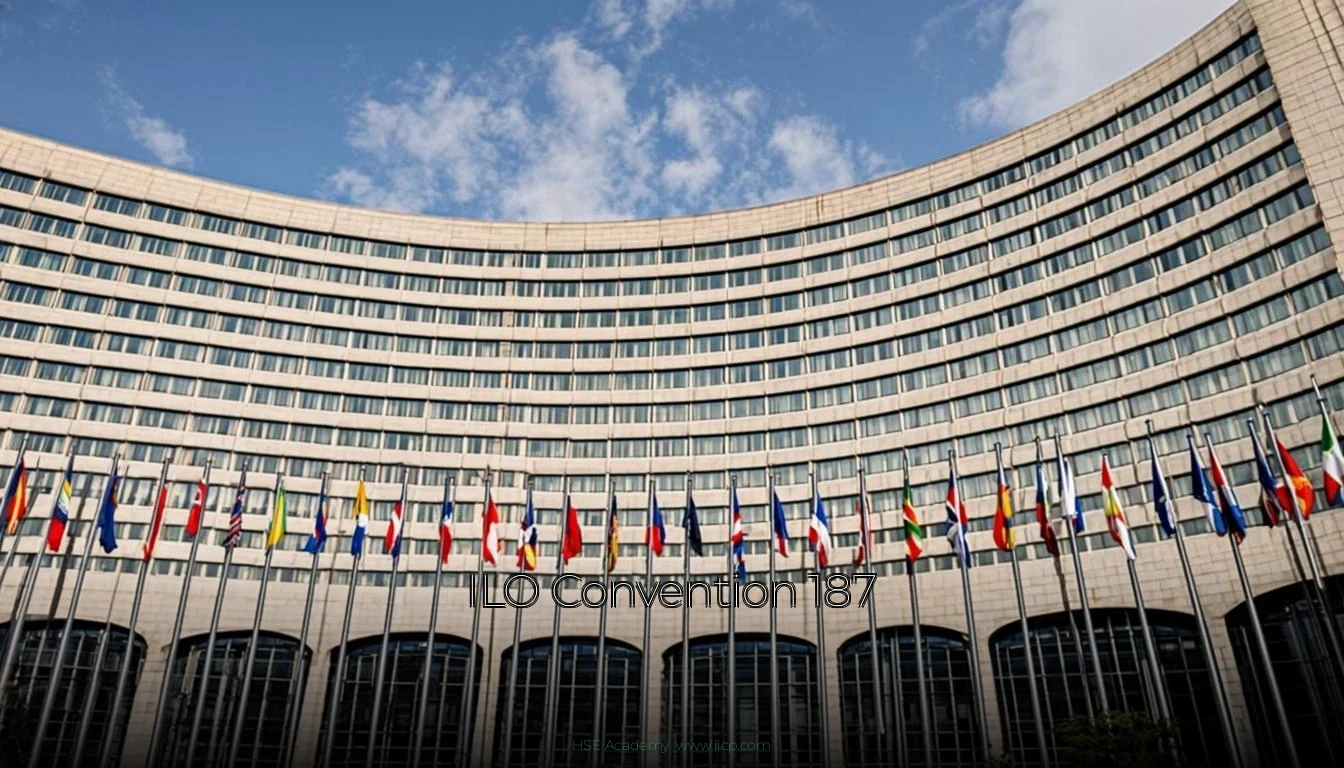
ILO Convention 187 (2006) complements Convention 155 by establishing a promotional framework for OSH. It asks member states to develop national policies and prevention programs.

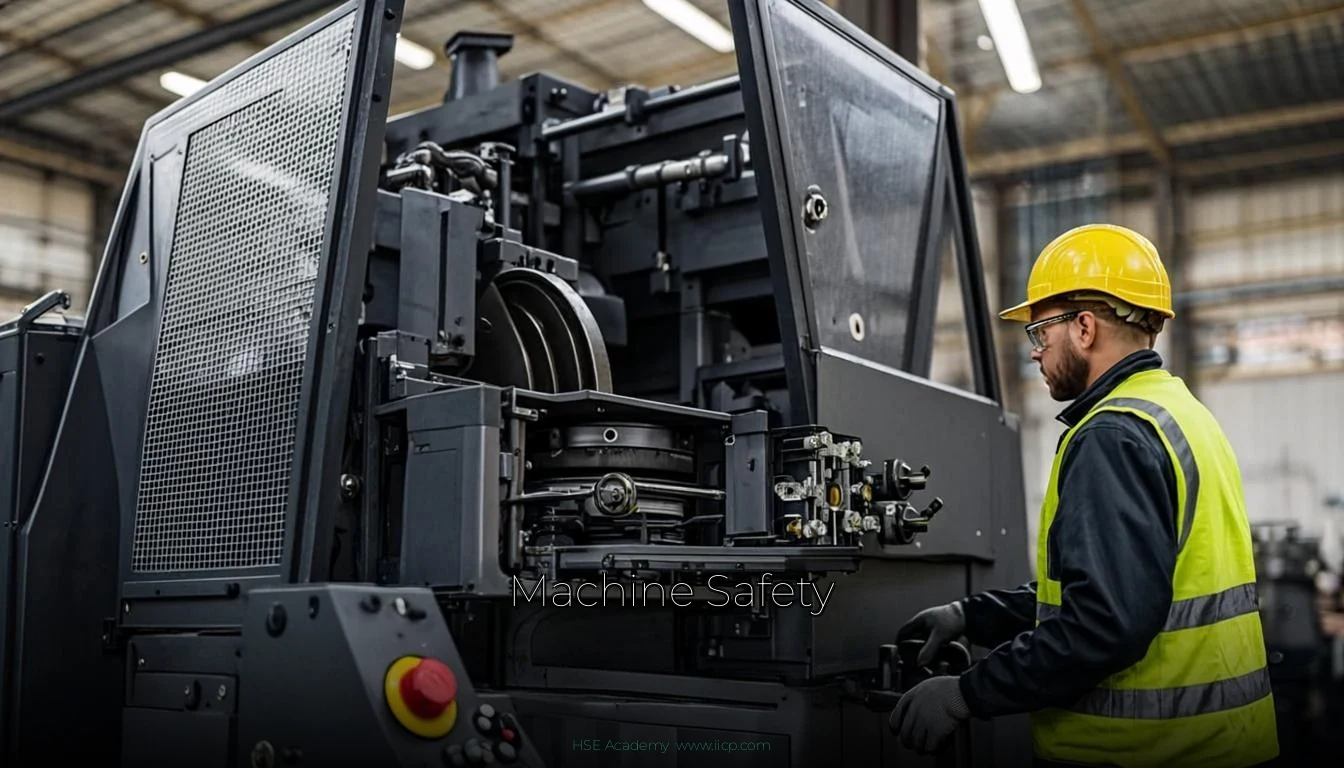
Machine safety relies on intrinsic prevention, guards, and lockout (LOTO — Lockout/Tagout). This article presents principles and machine safety standards.

The labor inspector in Morocco is a state agent responsible for enforcing the Labor Code. They have inspection, control and sanction powers. This article presents their powers and employer obligations.

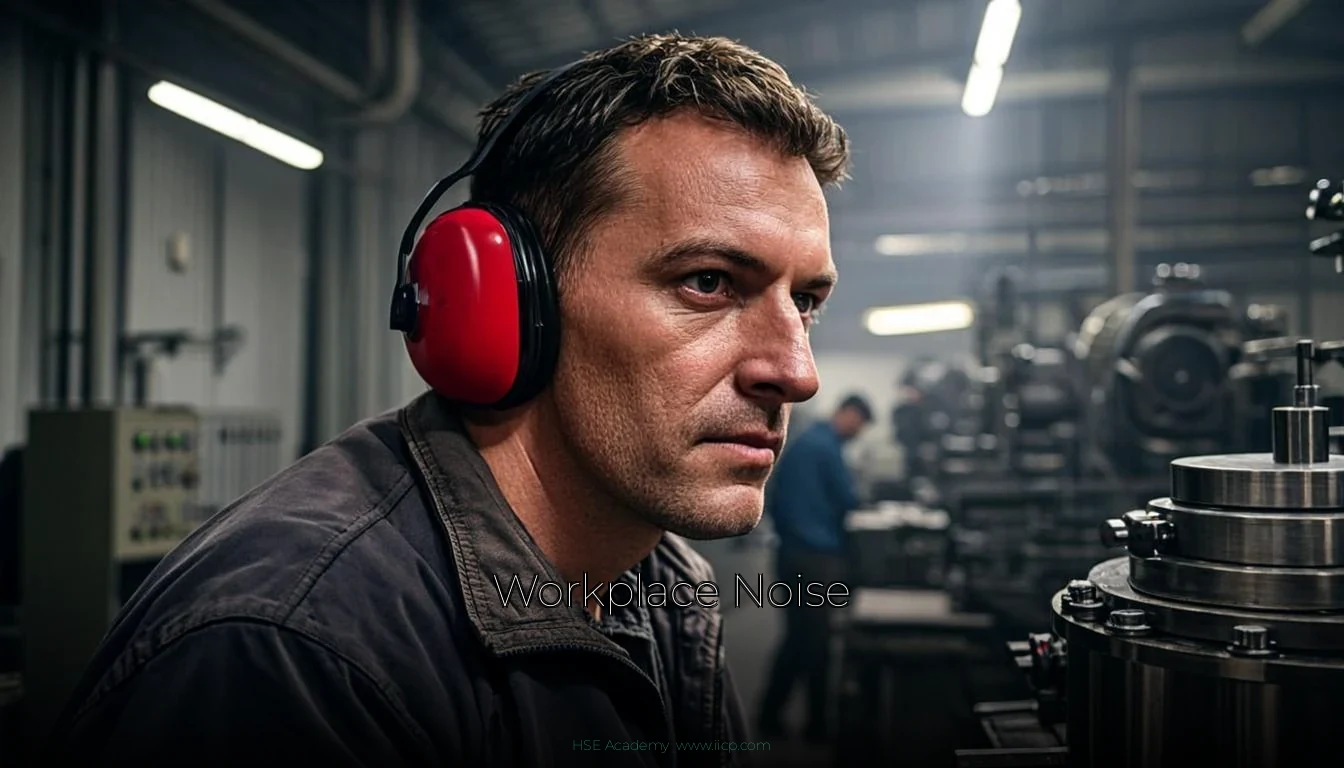
Exposure to noise in the workplace is one of the main causes of occupational deafness. This article presents regulatory thresholds, hearing PPE and collective prevention measures.

Manual handling of loads is one of the main causes of MSDs and low back pain at work. This article presents ergonomic principles, weight limits and available mechanical aids.

Risk management is at the heart of the QHSE system. It includes hazard identification, risk assessment and implementation of control measures. This article presents methodology and risk matrix.

Environmental analysis is the key step of the ISO 14001 environmental management system. It identifies environmental aspects and evaluates their impacts to prioritize actions.